
Infrared vs Traditional Sauna
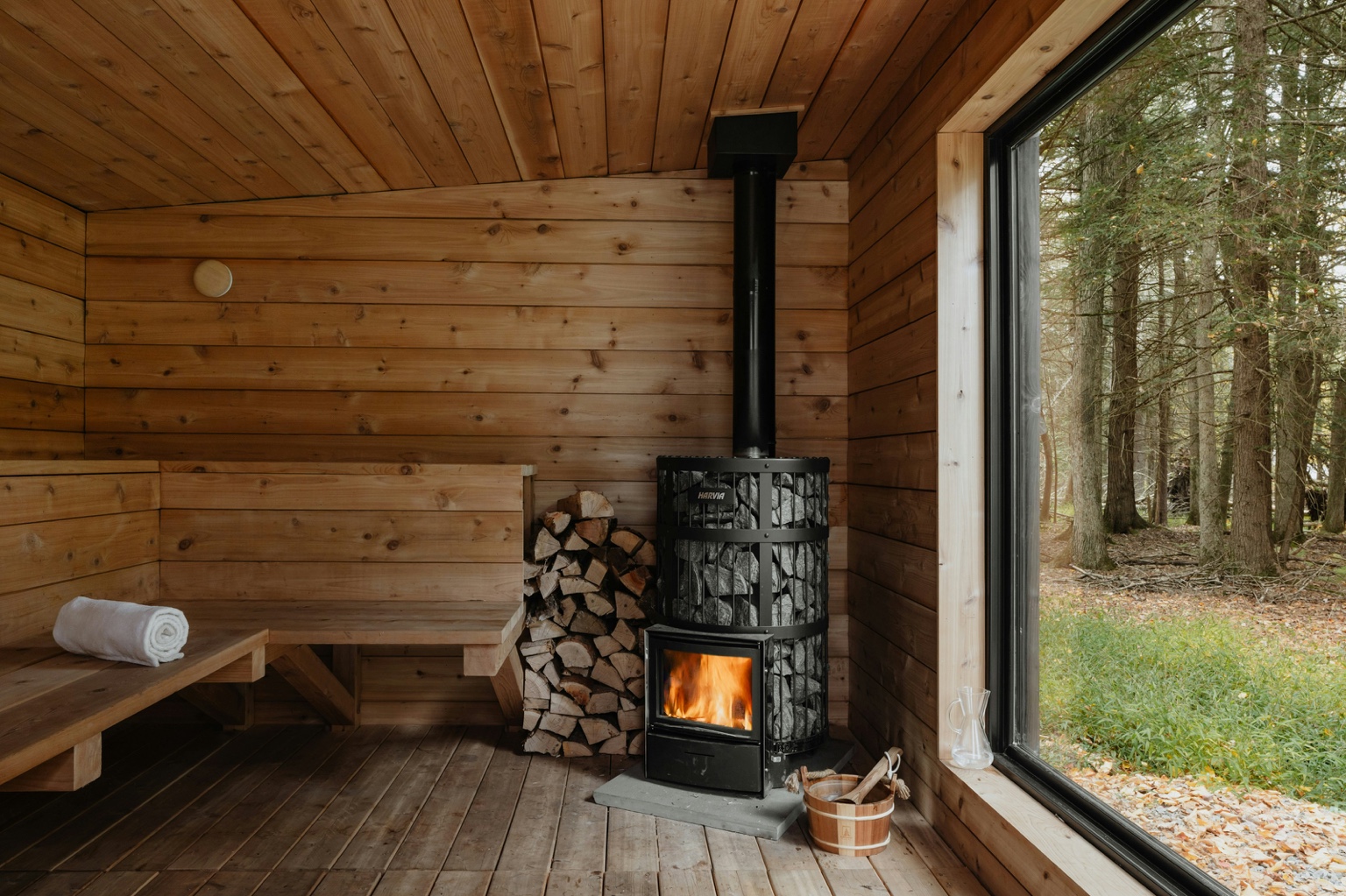
Quick verdict: Start here if you are still deciding which type of sauna makes sense before comparing specific products.
Jump to
- Quick answer: which one makes more sense at home?
- Infrared vs traditional at a glance
- How the heat experience feels different
- Which is easier to install at home?
- Electrical requirements: where the split becomes real
- Indoor vs outdoor fit
- Cost and ownership tradeoffs
- Infrared is usually better for these buyers
- Best Infrared Saunas for Home
- Best Traditional Saunas for Home
- Best Indoor Saunas
- Best Outdoor Saunas
- Home Sauna Electrical Requirements
If you are deciding between infrared and traditional, the real question is not which one is “better.” It is which one fits your house, your expectations, and the kind of ownership experience you actually want.
For most home buyers, infrared is the easier path. It usually fits indoors more easily, asks less from the house, and works better for people who want a lower-friction setup. Traditional makes more sense when you care most about hotter air, a more classic sauna feel, and are willing to deal with the added setup and ownership burden that often comes with it.
Quick answer: which one makes more sense at home?
Choose infrared if
- You want the easier indoor path
- You care more about room fit and lower setup friction
- You do not need the classic traditional sauna feel to justify the purchase
Choose traditional if
- You care most about hotter air and a more classic session feel
- You are willing to plan around setup, wiring, and placement
- You know the heat payoff matters enough to justify the extra work
Wait before buying either if
- You have not checked your room, budget, or electrical reality
- You are still shopping the idea of a sauna more than the ownership fit
- You are treating category marketing as the decision itself
Infrared vs traditional at a glance
| Factor | Infrared | Traditional |
|---|---|---|
| Heat feel | More direct, usually less intense overall | Hotter air and more classic sauna feel |
| Indoor practicality | Usually easier | Usually harder |
| Outdoor fit | Less natural for many buyers | Stronger overall fit |
| Setup burden | Lower in many home cases | Higher in many home cases |
| Electrical demands | Often easier, especially in smaller models | Often more demanding |
| Best for | Practical home use | Buyers prioritizing classic heat |
How the heat experience feels different
Infrared usually feels more convenience-first
That is not a criticism. It is a category strength for the right buyer. The appeal is easier home ownership without turning the sauna into a bigger project than necessary.
Traditional feels closer to what many buyers mean by “real sauna”
If your expectations are built around hotter air and a more classic sauna session, traditional is usually much closer to that target.
Why this difference matters so much
A lot of regret on both sides comes from shopping the wrong promise. Buyers who expect infrared to feel like traditional often feel underwhelmed. Buyers who force traditional into a house better suited to infrared often feel that the payoff was not worth the burden.
Which is easier to install at home?
Infrared is usually the easier home path
That is why it works so well for compact indoor use.
Traditional usually asks more from the house
That can mean more planning, more setup burden, and fewer easy room-placement scenarios.
Installation often changes the answer more than preference does
A surprising number of buyers like the idea of traditional more than the work and planning that come with it.
Electrical requirements: where the split becomes real
Smaller infrared models often fit normal homes more easily
This is one reason the category dominates practical home buying.
Traditional often needs more serious planning
That does not make it wrong. It makes it less forgiving.
The exact model still matters
These are patterns, not excuses to skip manufacturer requirements.
Indoor vs outdoor fit
Infrared usually makes more sense indoors
That is where the category’s practicality advantage is clearest.
Traditional usually makes more sense outdoors
Especially when the buyer wants a more natural fit for the classic sauna experience and has the property to support it.
The right answer depends on the house as much as the sauna
Room layout, access, and property reality matter more than many buyers expect.
Cost and ownership tradeoffs
Upfront price is not the whole story
Setup, electrical work, placement, and maintenance can change what “more expensive” really means.
Infrared usually wins on easier ownership
For many home buyers, that is the deciding factor.
Traditional wins when the payoff matters enough
If the classic heat experience is the whole point, the extra work can be justified.
Infrared is usually better for these buyers
Small-space indoor buyers
Buyers who want simpler ownership
People who want regular use without a bigger home project
Traditional is usually better for these buyers
Buyers who care most about classic sauna feel
Outdoor sauna buyers
Buyers comfortable with more setup, planning, and responsibility
Common mistakes buyers make
Buying infrared while expecting traditional-style heat
Buying traditional without realistic setup planning
Letting category identity do too much of the decision-making
Ignoring where the sauna will actually live
Bottom line
Infrared is usually the smarter home-buying category when ease of use, room fit, and lower-friction ownership matter most. Traditional is the better category when the classic sauna experience matters enough to justify the added work. The right answer is not the one with the better marketing halo. It is the one you are still glad you bought once installation, cost, and everyday use all become real.
Frequently asked questions
Is infrared or traditional better for most homes?
For most homes, infrared is usually easier to place, easier to power, and easier to live with day to day. Traditional makes more sense when hotter air and a more classic sauna feel matter enough to justify the added setup burden.
Does infrared feel the same as a traditional sauna?
No. That is one of the biggest buyer mistakes in this category. Infrared can still be a good fit, but it usually does not feel the same as a more classic traditional sauna.
Should I decide based on heat alone?
Not by itself. The better decision usually comes from combining heat preference with room fit, electrical reality, budget, and whether you want an easier indoor setup or a more demanding build.
Is traditional usually better outdoors?
Often, yes. Outdoor placement usually makes more sense for larger or more demanding traditional setups, especially when indoor placement would create too many compromises.